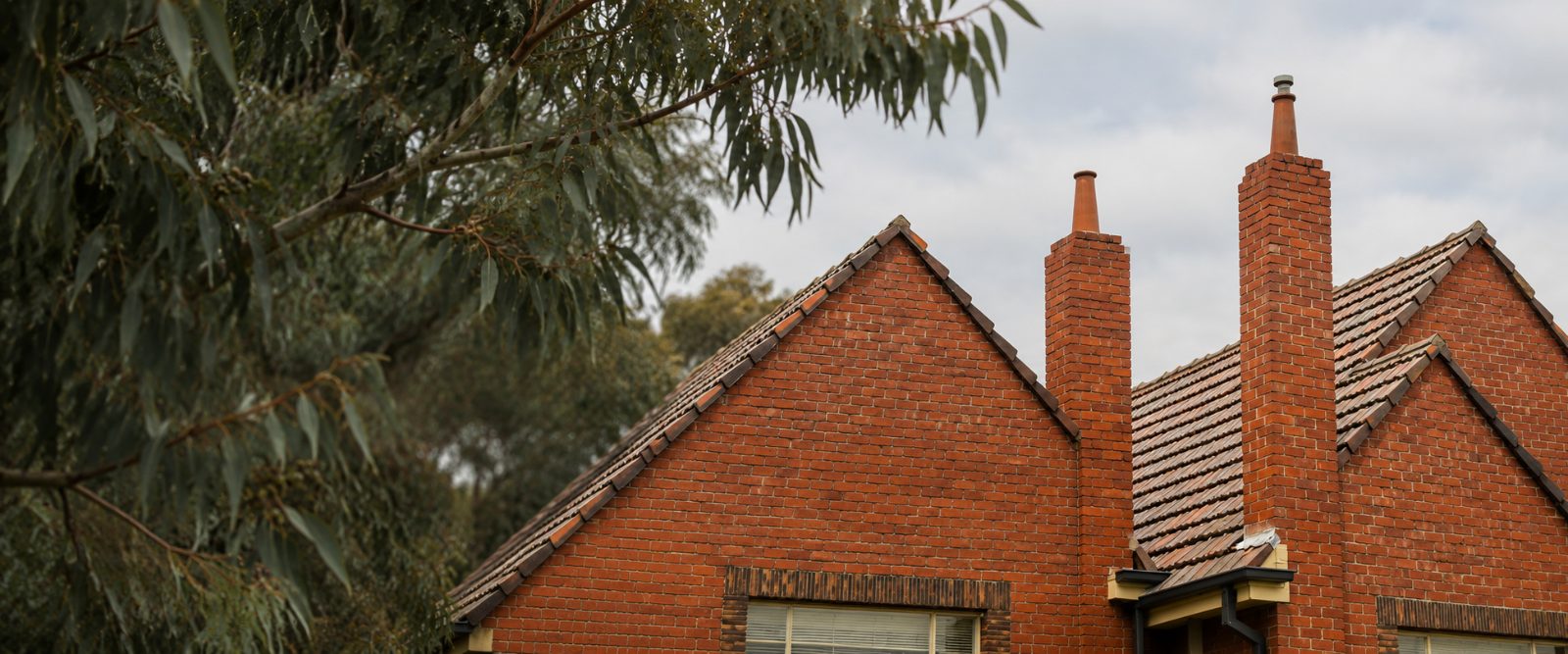
Roof Junction and Valley Repairs
Roof Flashing and Valley Repairs Melbourne
Leak near a roof junction? Request a roofing assessment. Get a Free Estimate
Roof Junction and Valley Repairs
Leak near a roof junction? Request a roofing assessment. Get a Free Estimate
Roof flashing and valleys are important parts of a weatherproof roofing system. Flashing helps direct water away from roof penetrations and junctions, while valleys channel rainwater between adjoining roof slopes. When these components are damaged, poorly fitted or deteriorated, water may enter the building even when the surrounding roofing material appears sound.
Older homes, renovated properties and buildings with complicated roof shapes may have several flashing and valley details requiring attention. We assess the relevant junctions, look for visible defects and consider the way rainwater flows through the area. Our recommendations focus on correcting the underlying problem rather than relying on a short-lived surface patch.
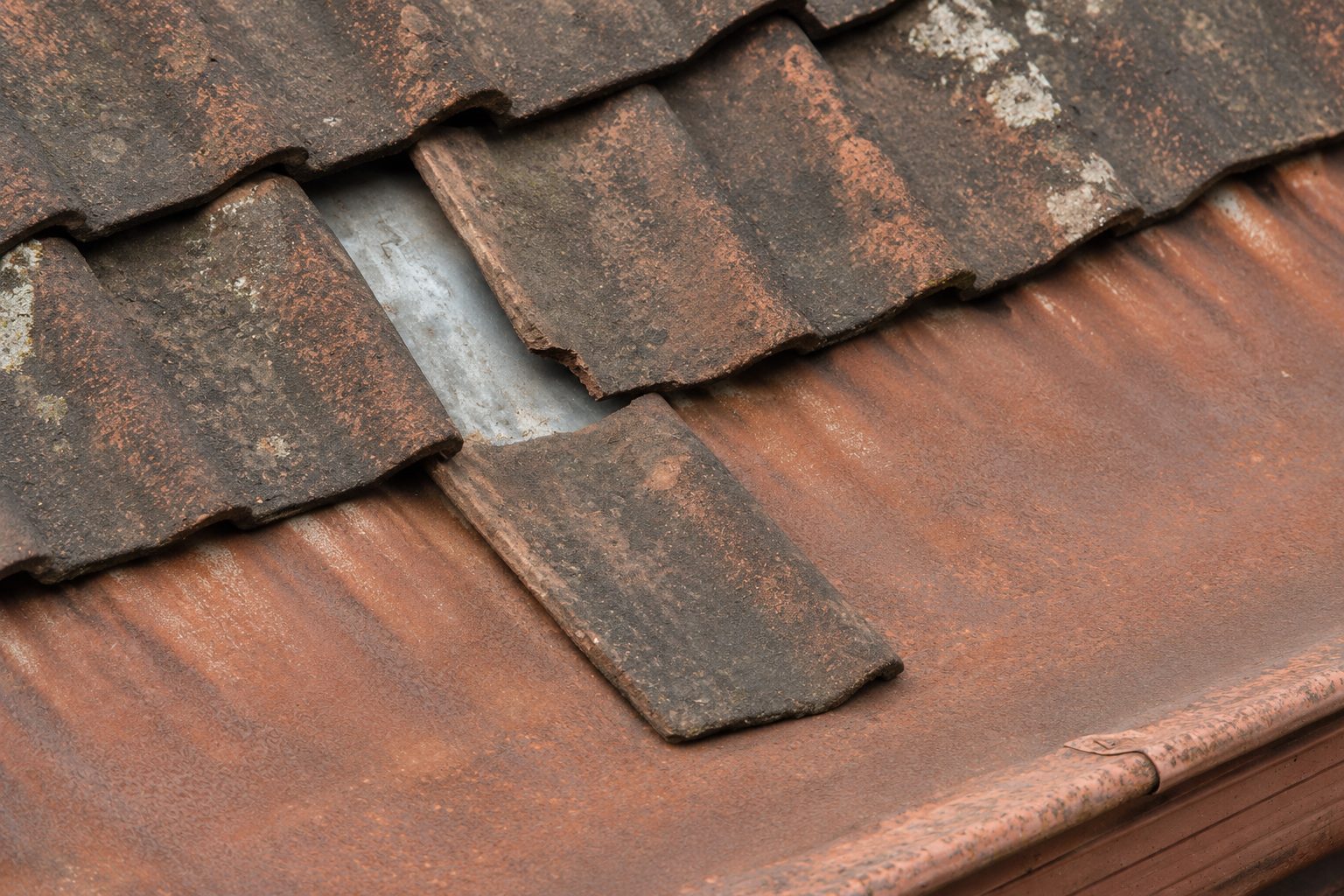
Water takes the easiest available path, especially during prolonged or wind-driven rain. A small defect at a roof junction may allow moisture to travel into walls, ceiling spaces or adjoining building materials. We look at the affected components as part of the wider roofing system. An effective repair should consider water direction, material compatibility and the condition of adjacent roofing.
Where a roof meets a wall, flashing helps prevent rainwater entering the junction. Movement, deterioration or unsuitable previous repairs can cause leaks. We assess the detail and recommend corrective work appropriate to the roof and wall construction.
Chimneys introduce several junctions into a roof and can be vulnerable to water entry. We investigate visible flashing defects and nearby roofing issues. The required work depends on the chimney condition and roofing materials.
Valleys direct significant quantities of rainwater toward the drainage system. Damage, debris accumulation or unsuitable installation details may contribute to leaks. We consider the valley material, surrounding tiles or sheets and water flow before recommending repairs.
Pipes, vents and other penetrations need weatherproof connections to the roof. Deteriorated or poorly fitted flashing can allow moisture inside. We inspect the affected detail and identify a suitable repair approach.
Extensions often create junctions between roofing sections of different ages, pitches or materials. We assess these connections and consider whether the existing flashing provides appropriate protection from rainwater.
If a leak continues after repeated sealant applications or previous repairs, the flashing arrangement may need closer attention. We review the defect and explain whether more substantial corrective work is appropriate.
| Service | Estimated Cost | Average |
|---|---|---|
| Wall flashing repair | Depends on junction length | Site-specific |
| Chimney flashing repair | Quoted after assessment | Varies |
| Roof valley repair | Depends on material and extent | Site-specific |
| Penetration flashing repair | Depends on access and detail | Varies |
| Complex roof junction repairs | Individual quotation | No fixed average |
Costs depend on roofing material, access, junction length, concealed damage and the amount of surrounding roofing that must be disturbed. A site-specific scope is needed for accurate pricing.
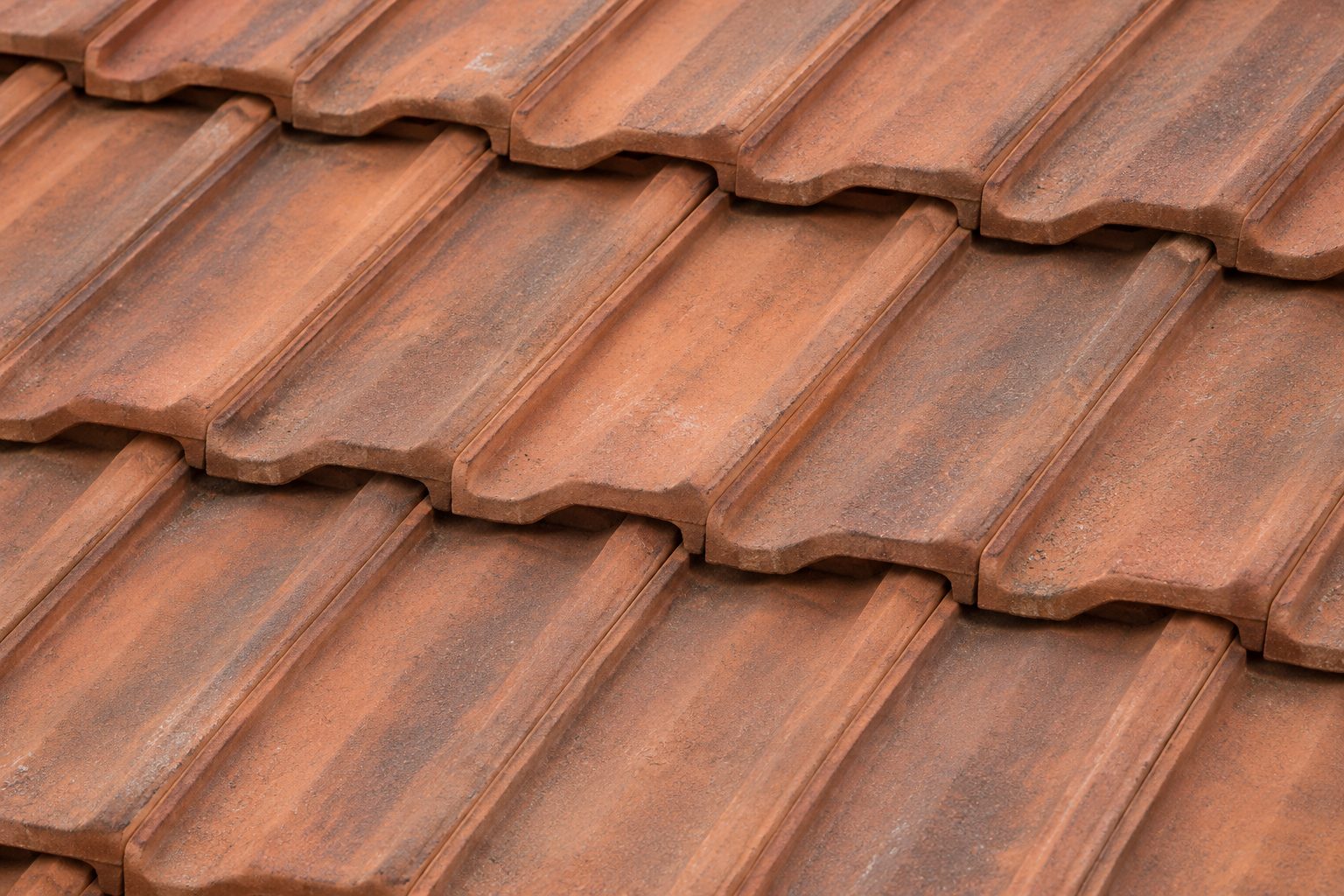
We consider how rainwater reaches and passes through the affected junction.
We assess whether the flashing detail itself needs correction instead of assuming sealant will solve every problem.
We examine how the junction interacts with surrounding tiles, sheets and drainage.
Concerned about flashing or valley leaks? Discuss your roof with our Melbourne team.
Free — no obligations
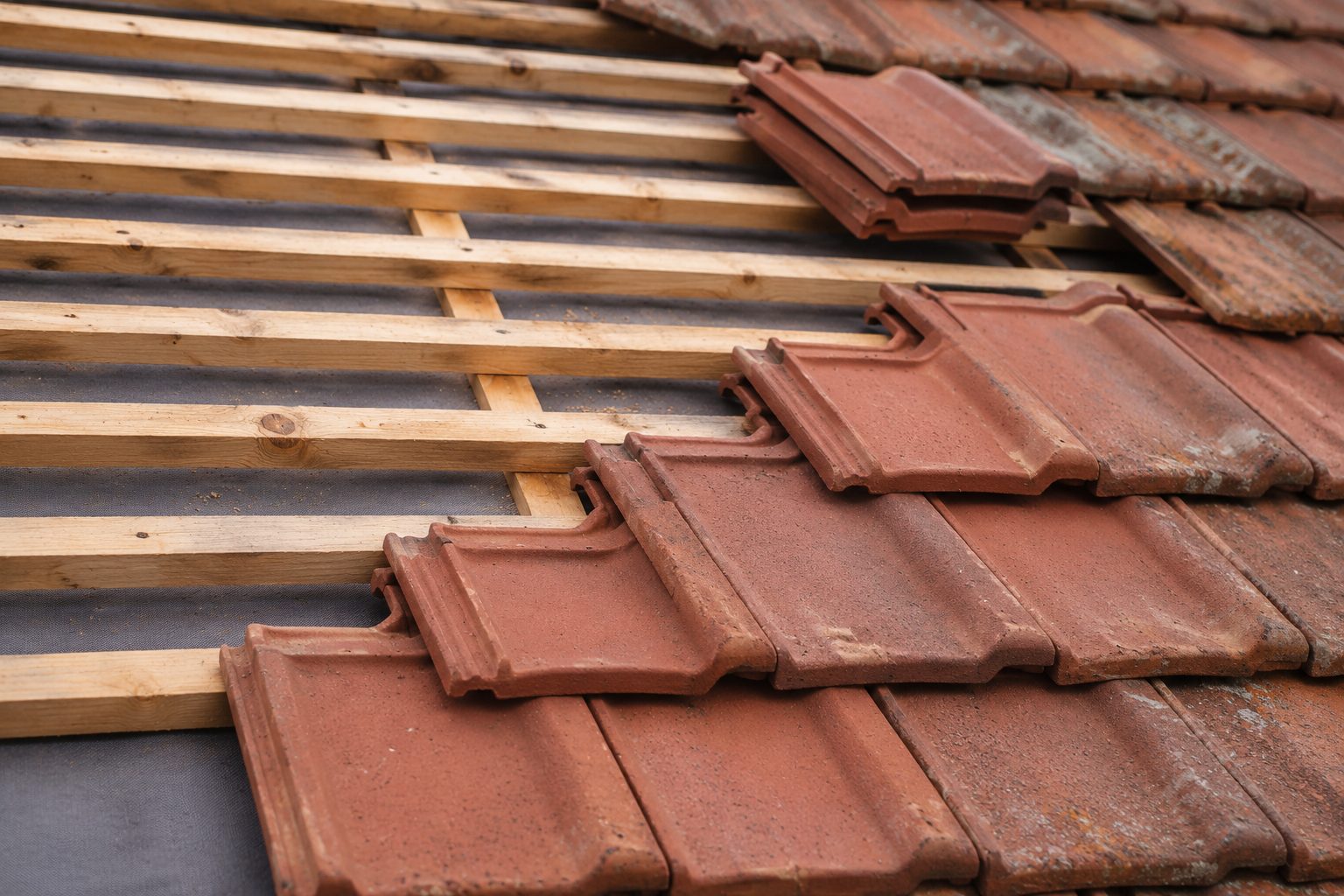
Tell us where leakage appears and whether it is associated with a wall, chimney, valley or penetration.
We review visible flashing conditions and the surrounding roofing, subject to safe access.
We outline the likely cause and the proposed corrective work.
Suitable materials and methods are selected for the particular roof detail.
We explain any relevant maintenance concerns, such as debris accumulation near valleys.